
Key Differences Between iPhone and Android Operating Systems
Smartphones have become central tools for communication, entertainment, work, and daily organization. Yet behind every device lies an operating system that shapes how the phone behaves and how users interact with it. The two dominant platforms today are Apple’s iOS and Google’s Android. Although both systems allow people to make calls, download apps, and browse the internet, their design philosophies and technical approaches differ in several important ways. These differences influence performance, customization, security, and the overall user experience. For someone choosing a smartphone, understanding how these systems operate can make the decision much easier. By examining their main distinctions, users gain clearer insight into which platform better suits their personal habits, preferences, and everyday digital routines.
Hardware Integration and Ecosystem
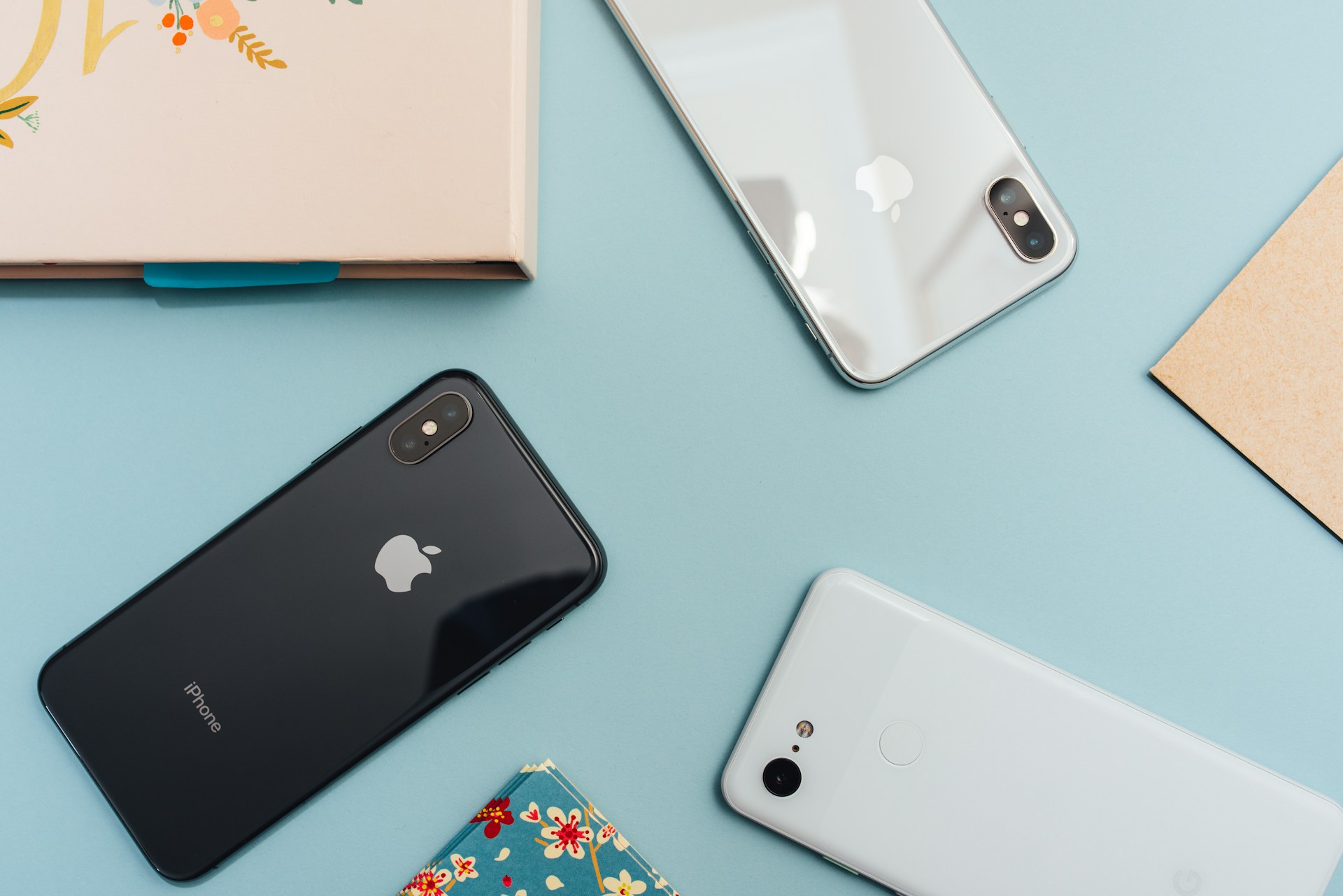
One of the biggest differences between iPhone and Android operating systems is how they interact with hardware. Apple develops both the software and the devices that run iOS. This tight integration allows Apple to control how the system functions on each iPhone model. Because the same company designs the hardware and software, the experience often feels smooth and consistent. iPhones tend to follow a predictable pattern in design, performance, and user interface across different models. Android operates differently. The Android system is created by Google, but many manufacturers such as Samsung, Xiaomi, and OnePlus build devices that run the software. Each company may add its own design features, hardware configurations, and interface adjustments. As a result, Android phones vary widely in appearance, performance, and price. This diversity gives buyers many options but can also lead to differences in how the system behaves from one phone to another.
Customization and User Control
Customization represents another major contrast between iOS and Android. Android generally provides more freedom for users who want to personalize their devices. For example, Android users can change home screen layouts, install third-party launchers, add widgets in different styles, and modify system settings in deeper ways. Some users even install custom versions of the Android system itself. iOS traditionally takes a simpler approach. Apple focuses on consistency and controlled design, which means fewer customization options compared to Android. The home screen structure, system icons, and overall layout remain mostly similar across devices. While iOS has gradually introduced features such as widgets and theme adjustments, Android still offers greater flexibility for people who enjoy modifying how their phone looks and behaves.
Software Updates and Device Support
Another important difference lies in how software updates are distributed. Apple typically releases new iOS updates directly to all supported iPhone models at the same time. This process means many iPhone users receive new features and security improvements simultaneously. Even older iPhones often receive updates for several years after release. Android updates work differently because multiple manufacturers control their own devices. When Google releases a new version of Android, each manufacturer must adapt the update for its specific phone models before releasing it to users. This extra step can delay updates for many Android devices. Some lower-cost models may receive fewer long-term updates compared with premium models. However, some manufacturers have improved update schedules in recent years.
App Stores and Application Approval
Applications represent another area where the two systems differ. Apple manages the App Store with strict review guidelines before apps become available to users. Developers must follow Apple’s policies regarding privacy, performance, and security. Because of this process, apps on the App Store often meet consistent standards, although developers sometimes find the approval process restrictive. Android apps are distributed through the Google Play Store, which generally allows a wider range of software. The approval process tends to be faster and less restrictive than Apple’s system. Android also allows installation of apps from external sources, a process known as sideloading. This gives users more freedom but also requires caution since apps from unknown sources may carry risks.
Security and Privacy Approaches
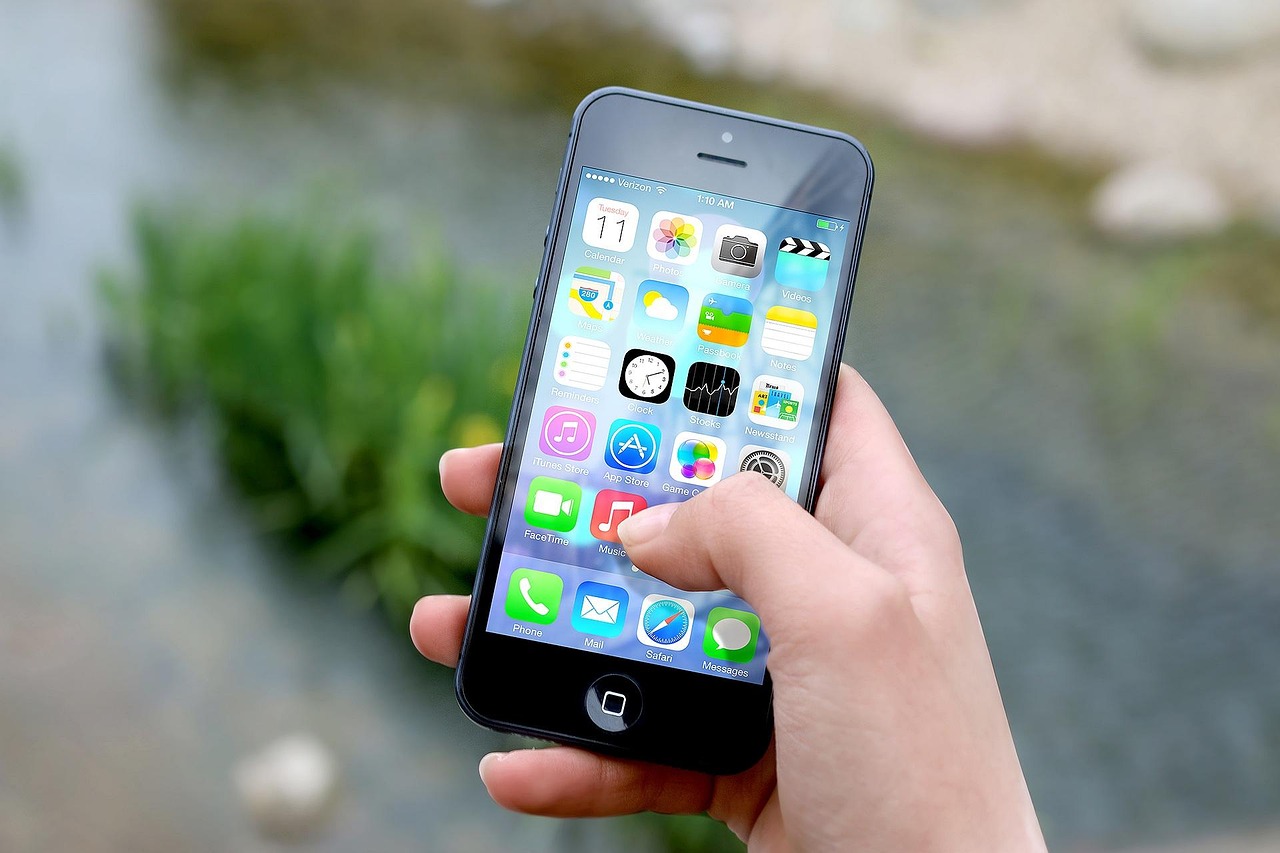
Security design differs between iOS and Android systems as well. Apple …